
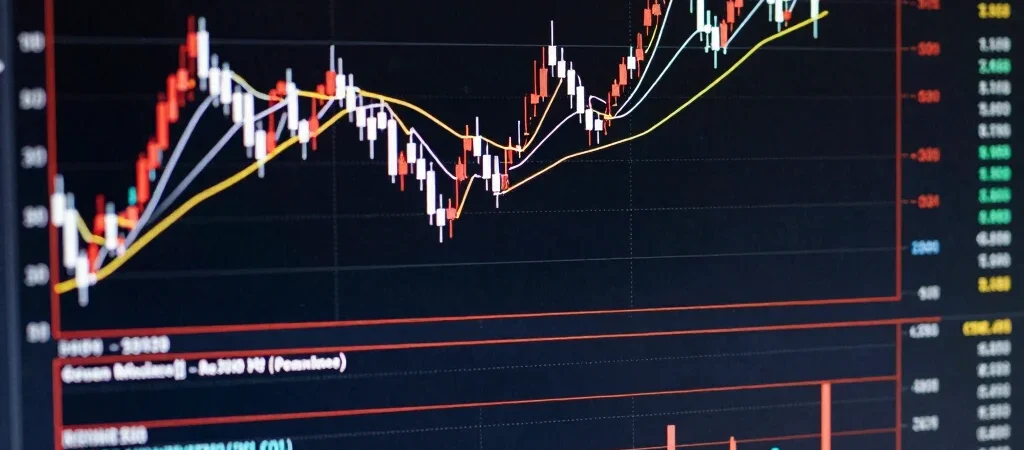
Central bank monetary policy announcements remain among the most potent catalysts in foreign exchange markets. Ahead of major decisions, depth of market liquidity across major G10 currency pairs consistently thins as institutional participants withdraw passive limit orders. This temporary structural void leaves the order book vulnerable to extreme price repricing upon publication of the policy statement.
Mechanics of Pre-Release Liquidity Thinning
In the minutes leading up to a rate decision, bid-ask spreads widen significantly across prime broker aggregators. Quantitative market makers adjust their risk algorithms to limit exposure to front-running latency during high-impact news events. Consequently, market depth drops to a fraction of its normal baseline, making standard execution parameters unreliable.
Dissecting Post-Announcement Order Flow Imbalance
When the policy rate or terminal rate guidance diverges from Overnight Index Swap expectations, market orders sweep available liquidity levels instantly. An acute order flow imbalance occurs when aggressive buying or selling overwhelms residual limit orders, forcing price to jump rapidly across price levels. Analysing tick-level delta during these moments reveals whether institutional capital is accumulating positions or merely re-hedging options portfolios.
Risk Protocol for Volatility Clusters
Attempting to trade the initial spike without evaluating secondary order book consolidation often results in severe execution slippage. Empirical observation demonstrates that waiting for initial liquidity absorption yields clearer structural boundaries. By mapping key supply and demand imbalance zones post-announcement, systematic participants can identify entries backed by measurable order flow support.